
 ★ 8.5
TV-Life
A boy of twelve in the suburbs of 1968, a girl of sixteen at a party she should have left, six friends in their twenties around a sofa, a chemistry teacher who learns at fifty that he is dying, four widows on a lanai in Miami. This guide gathers 156 series on twelve shelves, one for each stage of a life: growing up, with childhood, high school, the teenagers of the world and college; the grown-ups, with the twenties, working life, parents and midlife; and later life and beyond, with old age, the family sagas, death and the afterlife and the real lives of documentaries, with synopses, episodes and where to watch.
The stages of life
ChildhoodChildhood
All the series (13)★ 8.5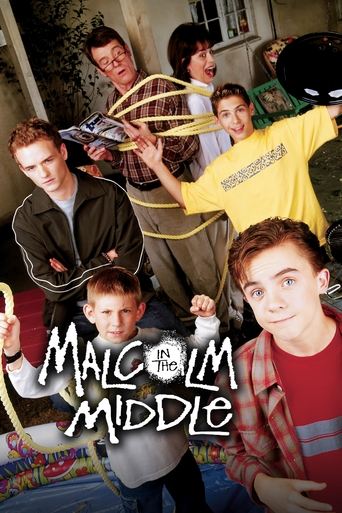 ★ 8.5
 ★ 8.7
 ★ 8.0
 ★ 7.5
 ★ 7.5
 ★ 8.1
 ★ 8.4
 ★ 8.0
 ★ 8.6
 ★ 8.3
 ★ 7.4
High schoolHigh school
All the series (13)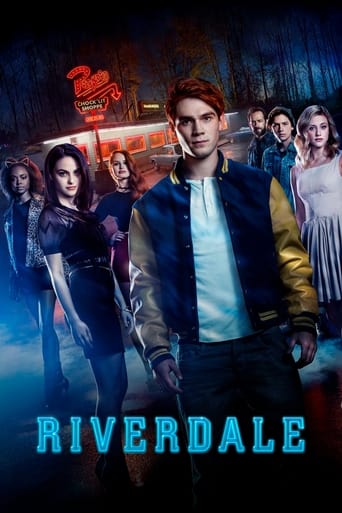 ★ 8.4
 ★ 8.3
 ★ 8.2
 ★ 7.5
 ★ 8.1
 ★ 8.6
 ★ 8.1
 ★ 6.8
 ★ 7.7
 ★ 8.2
 ★ 7.3
 ★ 7.8
Teenagers of the worldTeenagers of the world
All the series (13) ★ 8.0
 ★ 8.1
 ★ 8.0
 ★ 8.5
 ★ 8.6
 ★ 7.6
 ★ 8.2
 ★ 7.7
 ★ 7.4
 ★ 8.1
 ★ 7.2
 ★ 7.7
College and campusCollege and campus
All the series (13)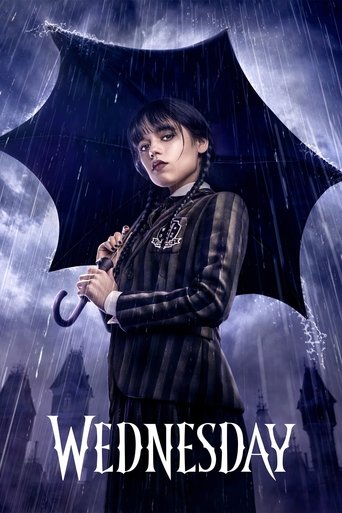 ★ 8.3
 ★ 8.2
 ★ 8.0
 ★ 7.6
 ★ 7.9
 ★ 7.2
 ★ 6.0
 ★ 7.8
 ★ 7.2
 ★ 6.7
 ★ 7.3
 ★ 6.6
Twenties and friendsTwenties and friends
All the series (13)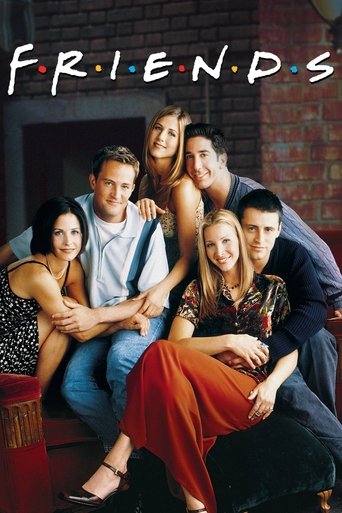 ★ 8.4
 ★ 8.1
 ★ 8.3
 ★ 8.3
 ★ 7.4
 ★ 7.5
 ★ 8.0
 ★ 7.4
 ★ 7.9
 ★ 6.4
 ★ 7.1
 ★ 7.2
Working lifeWorking life
All the series (13) ★ 8.2
 ★ 8.2
 ★ 8.6
 ★ 8.2
 ★ 8.4
 ★ 8.4
 ★ 8.1
 ★ 8.2
 ★ 8.0
 ★ 8.1
 ★ 7.8
 ★ 7.5
Parents and familiesParents and families
All the series (13) ★ 8.0
 ★ 7.9
 ★ 8.2
 ★ 7.7
 ★ 7.8
 ★ 7.6
 ★ 7.4
 ★ 6.8
 ★ 6.8
 ★ 7.1
 ★ 7.5
 ★ 7.5
MidlifeMidlife
All the series (13) ★ 9.0
 ★ 8.7
 ★ 8.5
 ★ 7.6
 ★ 7.8
 ★ 7.5
 ★ 8.1
 ★ 7.8
 ★ 7.9
 ★ 7.5
 ★ 7.1
 ★ 7.2
Old ageOld age
All the series (13) ★ 8.4
 ★ 7.7
 ★ 7.6
 ★ 7.7
 ★ 7.5
 ★ 7.4
 ★ 7.2
 ★ 7.4
 ★ 7.7
 ★ 7.1
 ★ 7.2
 ★ 6.4
Family sagasFamily sagas
All the series (13)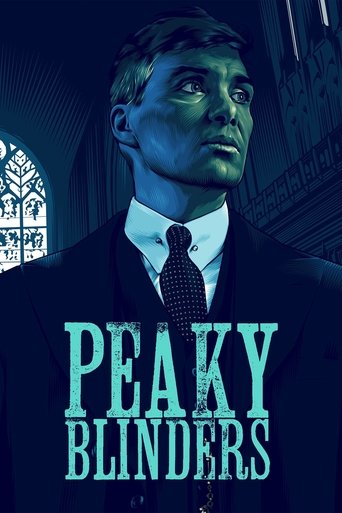 ★ 8.5
 ★ 8.2
 ★ 8.3
 ★ 8.2
 ★ 8.3
 ★ 7.9
 ★ 8.1
 ★ 8.1
 ★ 7.8
 ★ 7.1
 ★ 7.9
 ★ 6.9
Death and the afterlifeDeath and the afterlife
All the series (13)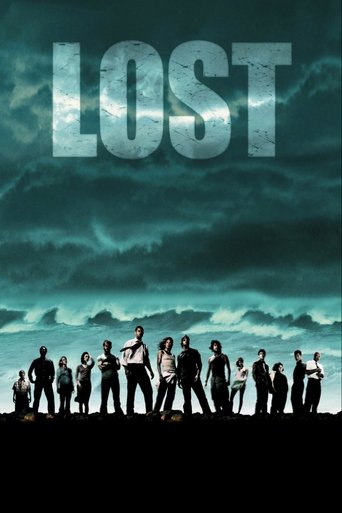 ★ 8.0
 ★ 8.0
 ★ 7.8
 ★ 7.7
 ★ 7.9
 ★ 7.4
 ★ 7.3
 ★ 7.6
 ★ 7.9
 ★ 8.1
 ★ 7.4
 ★ 7.9
Real livesReal lives
All the series (13) ★ 8.3
 ★ 8.6
 ★ 6.9
 ★ 7.8
 ★ 8.5
 ★ 7.4
 ★ 7.3
 ★ 7.7
 ★ 7.7
 ★ 7.2
 ★ 7.2
 ★ 7.5
The TV-Life guide
TV-Life: the stages of life on television
A life in series
A film tells a story in two hours; a series can follow a life. Television has watched its characters grow up episode by episode, sometimes for decades: the children of a sitcom become teenagers between two seasons, the young friends of a coffee shop marry and have children, the heroes of a drama grow old in front of an audience that grew old with them. That is the great gift of the series, and TV-Life, whose name puts the two words side by side, builds its guide on it. It gathers 156 series and sorts them by the stage of life of their heroes, from childhood to old age and beyond, on twelve shelves, in three families.
Every series of the guide has an English synopsis, its seasons and episodes, its cast and creators and a Watch now button that opens it on JustWatch, where you can see the services that offer it in your country. The oldest series is Last of the Summer Wine, of 1973, the British comedy of three old men of Yorkshire that ran for thirty-seven years, and the newest is A Man on the Inside, of 2024, with Ted Danson as a retired professor who goes undercover in a home for the elderly. Together the series carry about 310,600 votes on TMDB, with an average rating of 7.74, and 61 of them are rated 8 or more; the most voted is Stranger Things, of 2016, with about 22,000 votes, and the best rated is Breaking Bad, of 2008, with a 9.0. The guide Start with TV-Life picks one series from each stage, and the guide A life in series explains the idea.
The first family, Growing up, holds the series of the young: childhood, high school, the teenagers of the rest of the world and the years of college and campus. The second, Grown-ups, holds the series of adult life: the twenties and their friends, working life, parents and families, and the crises of midlife. The third, Later life and beyond, holds the series of the end and of what lasts: old age, the family sagas that cross the generations, death and the afterlife, and the real lives told by documentary series.
The name and the look
The Wayback Machine keeps tvlife.com from 2001 to 2025 only as parked pages of sponsored links, tvlife.tv as the site of an internet radio station of Israel, with its programme of the day and its presenters, and tvlife.net, in its later years, as a Chinese site of web novels. With only unrelated pages in the archive, this guide has an original design, built from the idea in the name, a life told on television.
The page is the warm white of an old photograph album, the header is a deep teal edged below by a band of mustard, and the logo draws a television whose screen shows the line of a life, rising and falling. The introduction sits on a white card, and the board of the home page, called The stages of life, draws the twelve shelves as three timelines, one per family, each stage a dot on a line: mustard for growing up, coral for the grown-ups and sea green for later life and beyond. Each shelf is a white panel with a coral top and a teal All the series button, and each poster carries the year on a mustard tag, the rating on a teal tag and the tag of its stage on a dark band at the bottom. The guide The look of TV-Life explains each detail.
How the stages work
Every series of the guide sits on the shelf of the stage of life of its heroes when the series begins: a family comedy about a teenager goes to high school, a comedy about a family with young children goes to parents, a drama about a man of fifty who breaks bad goes to midlife. The series were chosen by hand from TMDB, and each one sits on a single shelf; each shelf keeps its thirteen most voted series and lists them by votes, so that the best known come first. 150 of the 156 series are in English, and the others in Spanish, Swedish, Catalan, Norwegian and French, all with an English synopsis; 113 began in the United States and 24 in the United Kingdom. The guide How the stages work sums up the rules.
Life on the small screen
Television was born in the living room, and from the beginning it told the life of the families who watched it. The sitcoms of the 1950s and 1960s showed perfect parents and polite children; the 1970s brought the real worries of the time into the family, and the 1980s and 1990s the long-running comedies of family life, from Roseanne to The Simpsons, whose children have stayed the same age for more than thirty years. The 1990s also invented the teen drama, with Beverly Hills, 90210 and Dawson's Creek, and the comedy of friends in their twenties, with Seinfeld and Friends, while the cable channels of the 2000s, HBO, Showtime and AMC, gave the drama its antiheroes of midlife, Tony Soprano, Walter White and Don Draper.
The streaming age changed the rhythm of a life on screen. A series of Netflix can be watched in a weekend, and the new teen dramas, from 13 Reasons Why to Sex Education, Heartstopper and Elite, are made for audiences of every country at once; the documentary series, from Making a Murderer to The Last Dance, tell real lives in many episodes, and the comedies of old age, from Grace and Frankie to The Kominsky Method, have found stars of seventy and eighty. The guide A life in series tells the story.
Growing up
The first family, Growing up, gathers 52 series of children, teenagers and students, with about 132,100 votes, the most of the three families, and an average rating of 7.81, the best of the three. It runs from the farm of Little House on the Prairie to the boarding school of Wednesday, through the suburbs, the high schools and the campuses of America and the schools of the rest of the world. The guide Growing up sums up the family.
Childhood
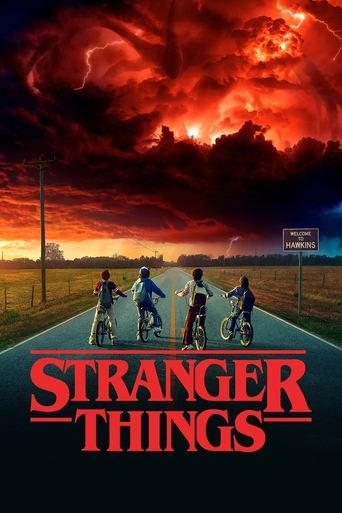
The shelf Childhood holds thirteen series from 1974 to 2018 told through the eyes of children, and it is the second best rated shelf of the guide, after Working life, with an average of 8.05 and nine series rated 8 or more. Its most voted series is Stranger Things, of 2016, by the brothers Matt and Ross Duffer, in which a boy vanishes in a small town of Indiana in 1983 and his friends, his mother and a girl with strange powers discover a dark world beneath their own, with Winona Ryder and David Harbour, rated 8.5 with about 22,000 votes, and its best rated is Anne with an E, of 2017, made for the CBC of Canada, the orphan Anne Shirley of the novel of Lucy Maud Montgomery on Prince Edward Island, rated 8.7.
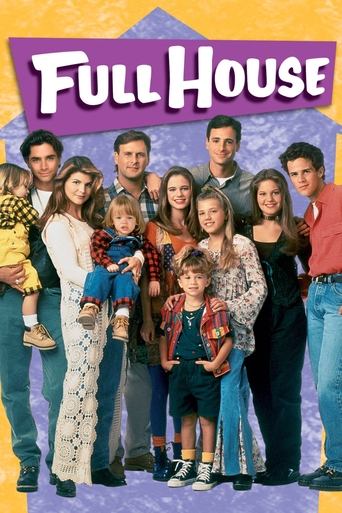
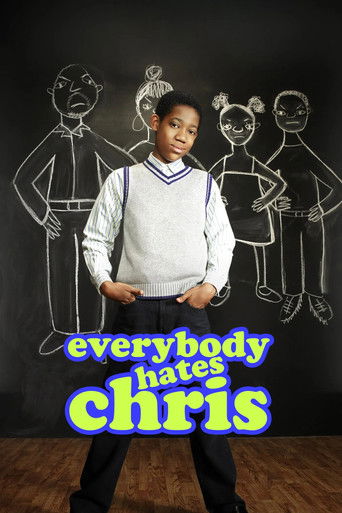
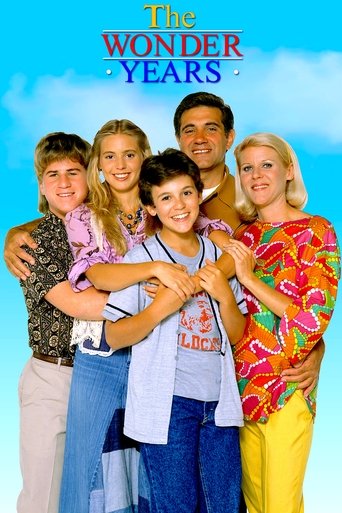
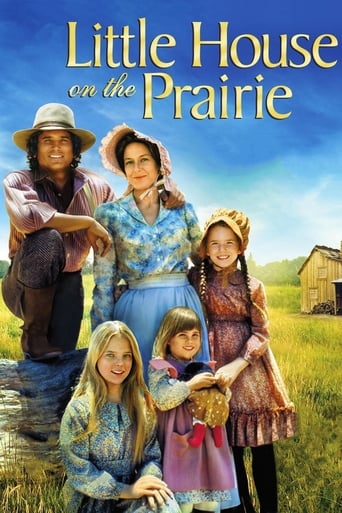
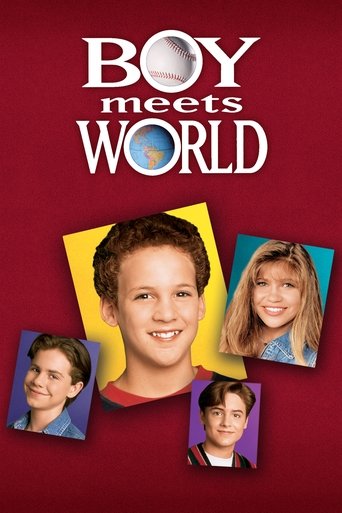
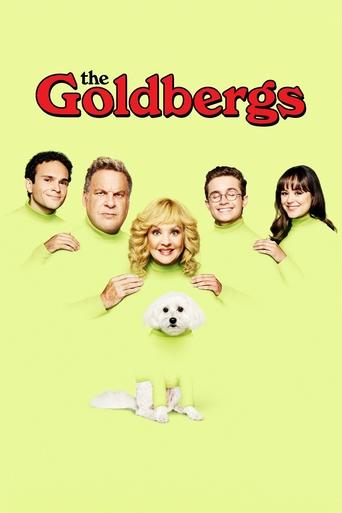
The family comedies of childhood are the heart of the shelf. The Wonder Years, of 1988, follows Kevin Arnold, played by Fred Savage, from the age of twelve in the suburbs of 1968, with the voice of the grown-up Kevin looking back, rated 8.4; Malcolm in the Middle, of 2000, a gifted boy in a chaotic family of five sons, with Frankie Muniz and Bryan Cranston, rated 8.5; Everybody Hates Chris, of 2005, the childhood of the comedian Chris Rock in Brooklyn, narrated by himself; Young Sheldon, of 2017, the childhood in Texas of the scientist of The Big Bang Theory, and The Goldbergs, of 2013, the family of the creator Adam F. Goldberg in the 1980s. Bluey, of 2018, the Australian cartoon of a family of blue heelers that delights children and parents alike, rated 8.6; Little House on the Prairie, of 1974, the oldest of the shelf, the pioneer family of Laura Ingalls in Minnesota; Full House, of 1987; Boy Meets World, of 1993; Lizzie McGuire, of 2001, with Hilary Duff, and Lost in Space, of 2018, the Robinson family stranded on an alien planet, complete it. The guide Childhood on TV follows the shelf.
High school
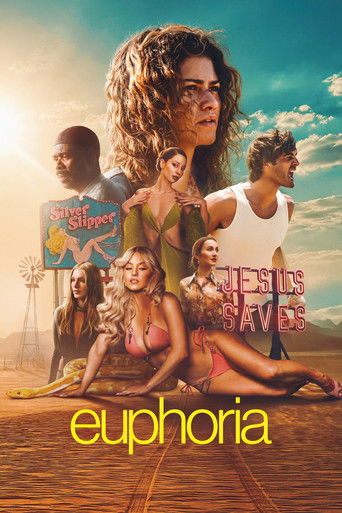
The shelf High school holds thirteen series from 1990 to 2022 of the American and British high school. Its most voted series is Riverdale, of 2017, by Roberto Aguirre-Sacasa, which turned the comic characters of Archie into a dark mystery of a small town, rated 8.4 with about 13,800 votes, and its best rated is Heartstopper, of 2022, from the comic of Alice Oseman, the love story of two boys of an English grammar school, Charlie and Nick, rated 8.6. Euphoria, of 2019, by Sam Levinson for HBO, with Zendaya as Rue, a girl of seventeen just out of rehab, which twice won her the Emmy for best actress, rated 8.3, and Sex Education, of 2019, by Laurie Nunn, with Asa Butterfield as the shy son of a sex therapist, played by Gillian Anderson, who runs a clinic of advice in his school, rated 8.2, are the great teen series of their time.
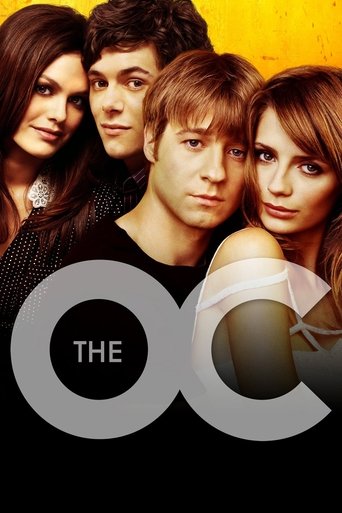
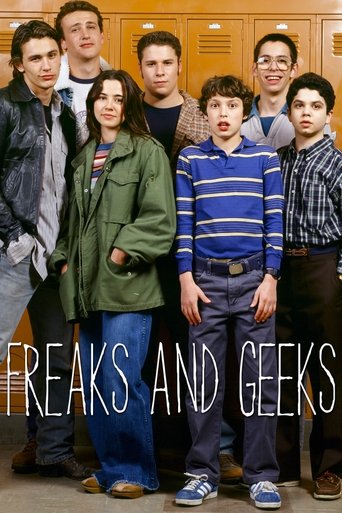
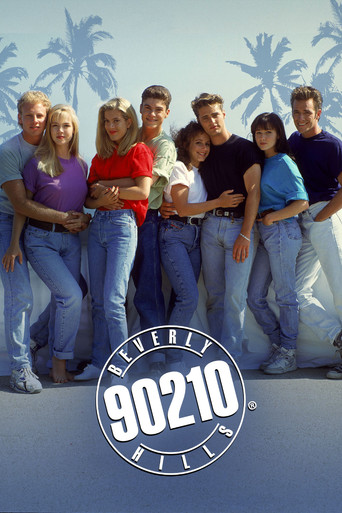
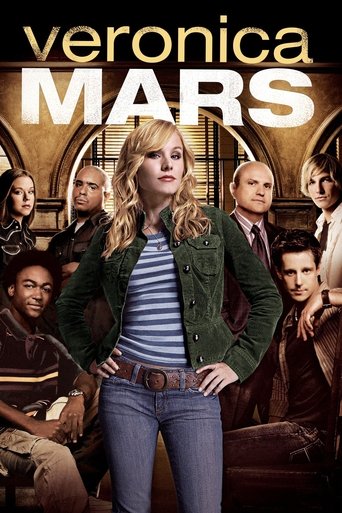
The older series of the shelf invented the form. Beverly Hills, 90210, of 1990, by Darren Star and Aaron Spelling, the twins from Minnesota in the rich high school of Beverly Hills, the oldest of the shelf; Dawson's Creek, of 1998, by Kevin Williamson, the teenagers of a creek of Massachusetts who talk like adults; Freaks and Geeks, of 1999, by Paul Feig with Judd Apatow, a single season of the outsiders of a school of Michigan in 1980, with the young Seth Rogen, James Franco and Linda Cardellini, rated 8.2; The O.C., of 2003, and Gossip Girl, of 2007, both by Josh Schwartz, the rich teenagers of Orange County and the Upper East Side; Veronica Mars, of 2004, with Kristen Bell as a teenage detective; Glee, of 2009, the glee club of a school of Ohio; the British Skins, of 2007, the teenagers of Bristol, and 13 Reasons Why, of 2017, a girl who leaves tapes for the classmates she blames for her death. The guide The teen drama follows the shelf.
Teenagers of the world
The shelf Teenagers of the world holds thirteen series from 2001 to 2022 of growing up outside the United States, in Britain and Ireland, Spain and Scandinavia, Canada and Australia. Its most voted series is the Spanish Elite, of 2018, by Carlos Montero and Darío Madrona, three students of a working-class school who receive scholarships to Las Encinas, the most exclusive school of Spain, where a murder soon divides them from the rich, rated 8.0 with about 9,400 votes. Its best rated is the Catalan Merlí, of 2015, by Héctor Lozano, a teacher of philosophy who teaches his pupils of Barcelona to think for themselves, rated 8.6, followed by the Swedish Young Royals, of 2021, the love of a prince at a boarding school for a boy of the town, rated 8.5.
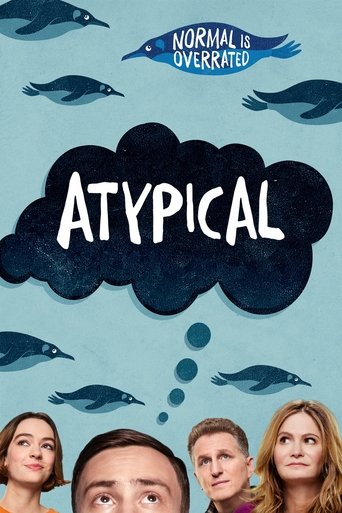
The Norwegian SKAM, of 2015, by Julie Andem, the lives of the teenagers of a school of Oslo told in real time on the internet, between clips and messages, became a phenomenon across Europe and was remade in seven countries, rated 8.2. The British and Irish teenagers of the shelf are funnier: The Inbetweeners, of 2008, four boys of a suburban school in the misery of their sixth form; Derry Girls, of 2018, by Lisa McGee, four girls and a boy of a Catholic school of Derry in the last years of the Troubles, rated 8.1, and Misfits, of 2009, young offenders doing community service who get superpowers in a storm. Normal People, of 2020, from the novel of Sally Rooney, with Paul Mescal and Daisy Edgar-Jones, follows a love from a school of the west of Ireland to Trinity College Dublin, rated 8.1. Degrassi, of 2001, the Canadian school drama that ran for fourteen seasons and 373 episodes; Atypical, of 2017, an autistic teenager looking for love; the Australian Please Like Me, of 2013, by Josh Thomas, and Heartbreak High, of 2022; and the Mexican Rebelde, of 2022, close it. The guide Growing up around the world follows the shelf.
College and campus
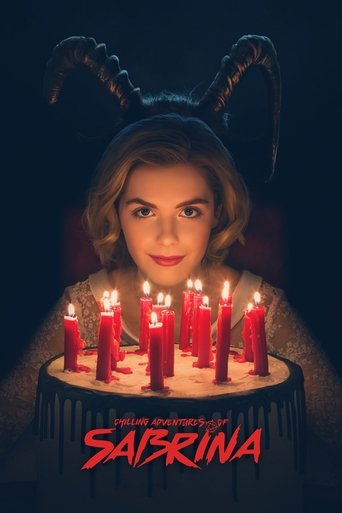
The shelf College and campus holds thirteen series from 1987 to 2022 of the years of college and the schools beyond school. Its most voted series is Wednesday, of 2022, by Alfred Gough and Miles Millar, with episodes directed by Tim Burton, with Jenna Ortega as Wednesday Addams at Nevermore Academy, a school for outcasts, solving a series of murders, rated 8.3 with about 10,900 votes, and Chilling Adventures of Sabrina, of 2018, the teenage witch of Archie Comics at the Academy of Unseen Arts, follows it; The Magicians, of 2015, from the novels of Lev Grossman, sends its students to a graduate college of magic.
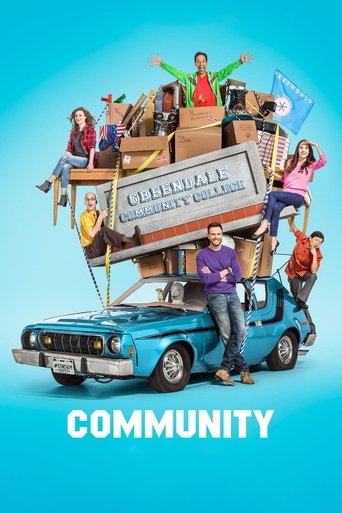
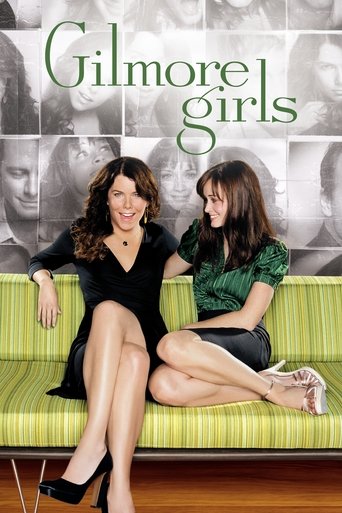
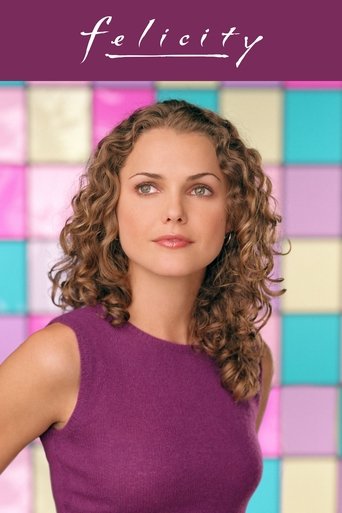
The real campuses of the shelf are comic. Community, of 2009, by Dan Harmon, with Joel McHale as a disbarred lawyer who forms a study group at the community college of Greendale, rated 8.0; Gilmore Girls, of 2000, by Amy Sherman-Palladino, a young mother and her daughter, Rory, who goes from high school to Yale, rated 7.9; A Different World, of 1987, the oldest of the shelf, the students of a historically Black college of Virginia; Undeclared, of 2001, by Judd Apatow, a single season of freshmen with Jay Baruchel and Seth Rogen; Greek, of 2007, the fraternities and sororities of a university of Ohio; the British Fresh Meat, of 2011, six students sharing a house in Manchester, by Jesse Armstrong and Sam Bain; The Sex Lives of College Girls, of 2021, by Mindy Kaling, four roommates of a college of Vermont; grown-ish, of 2018, the spin-off of black-ish in which the eldest daughter goes to college, and Felicity, of 1998, by J.J. Abrams and Matt Reeves, a girl who follows a boy to New York. Dear White People, of 2017, the students of colour of an Ivy League college, is the lowest rated series of the guide, at 6.0. The guide Campus life follows the shelf.
Grown-ups
The second family, Grown-ups, gathers 52 series of adult life, with about 124,000 votes and an average rating of 7.76. It holds the great comedies of friends, offices and families, and the great dramas of midlife, from The Sopranos to Breaking Bad, and its four shelves follow a life from the first flat to the first grey hair. The guide Grown-ups sums up the family.
Twenties and friends
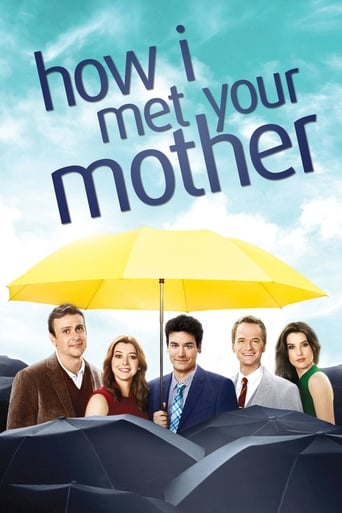
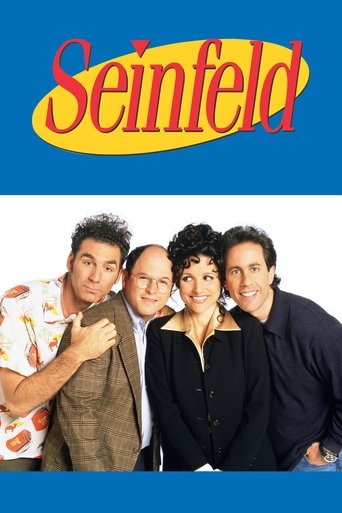
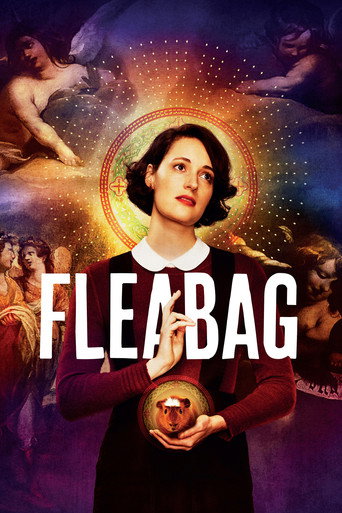
The shelf Twenties and friends holds thirteen series from 1989 to 2020 of the years between school and settling down, when friends are the family one chooses. Its most voted series is Friends, of 1994, by Marta Kauffman and David Crane, six friends of Manhattan, their apartments, their loves and the coffee shop Central Perk, over ten seasons and 228 episodes, rated 8.4 with about 9,500 votes, and its heir How I Met Your Mother, of 2005, in which an architect tells his children the long story of how he met their mother, rated 8.1. Seinfeld, of 1989, by Jerry Seinfeld and Larry David, the oldest of the shelf, the show about the small things of life of four friends of New York, and the British Fleabag, of 2016, written by and starring Phoebe Waller-Bridge, a young woman of London who speaks to the camera through her grief, share the best rating of the shelf, at 8.3.
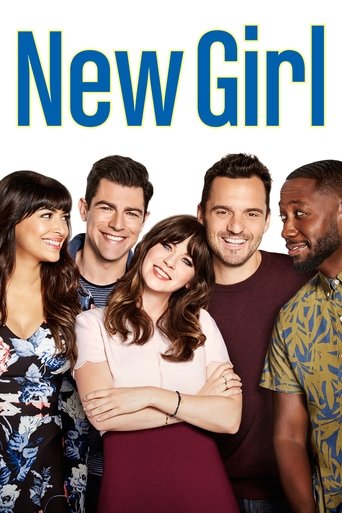
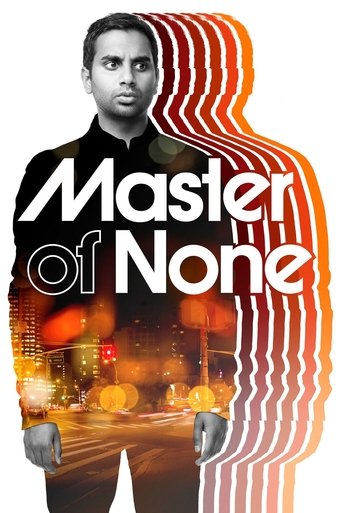
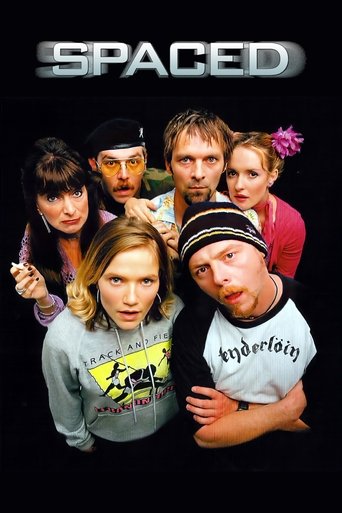
The friends of the newer series live in many cities. New Girl, of 2011, with Zooey Deschanel moving into a loft with three men of Los Angeles; Atlanta, of 2016, by and with Donald Glover, a dropout who manages his cousin, a rising rapper, rated 8.0; Insecure, of 2016, by Issa Rae, two friends of Los Angeles in their late twenties; Broad City, of 2014, two friends of New York in their small jobs; Girls, of 2012, by Lena Dunham, four young women of Brooklyn; the series of 2015 written by and starring Aziz Ansari as an actor of New York; Happy Endings, of 2011, a group of friends of Chicago after a wedding called off at the altar; the British Spaced, of 1999, by Simon Pegg and Jessica Hynes, two strangers who pretend to be a couple to rent a flat, directed by Edgar Wright, and Emily in Paris, of 2020, by Darren Star, with Lily Collins as an American in a marketing firm of Paris, the newest of the shelf. The guide Friends on TV follows the shelf.
Working life
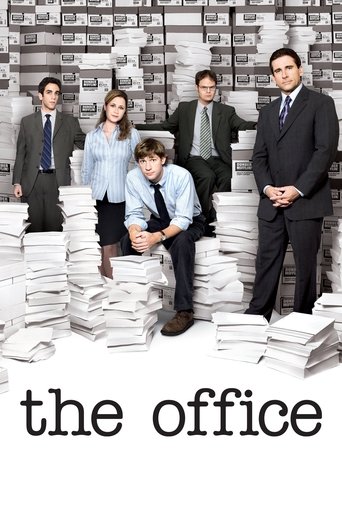
The shelf Working life holds thirteen series from 2001 to 2022 of the office, the hospital, the precinct and the kitchen, and it is the best rated shelf of the guide, with an average of 8.10 and ten series rated 8 or more. Its most voted series is Grey's Anatomy, of 2005, by Shonda Rhimes, the surgical residents of a hospital of Seattle, still returning after more than twenty seasons and 460 episodes, rated 8.2 with about 11,100 votes. The Office appears twice: the British original of 2001, by Ricky Gervais and Stephen Merchant, two short seasons in a paper company of Slough, rated 7.8, and its American version of 2005, by Greg Daniels, with Steve Carell at the Dunder Mifflin company of Scranton, the best rated of the shelf, at 8.6.
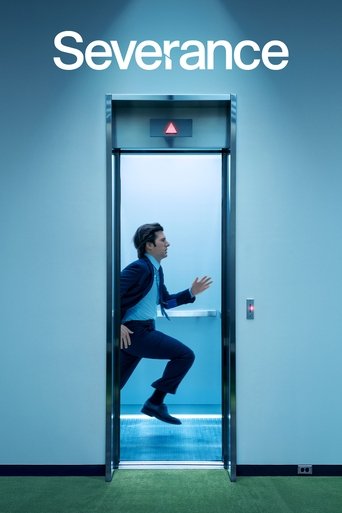
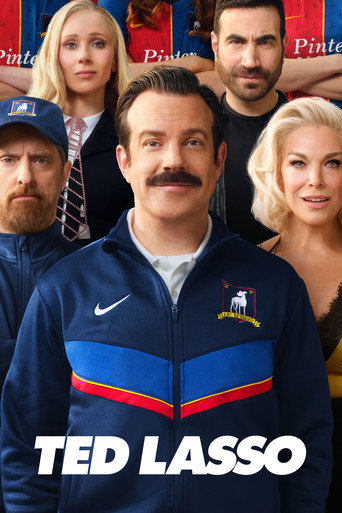
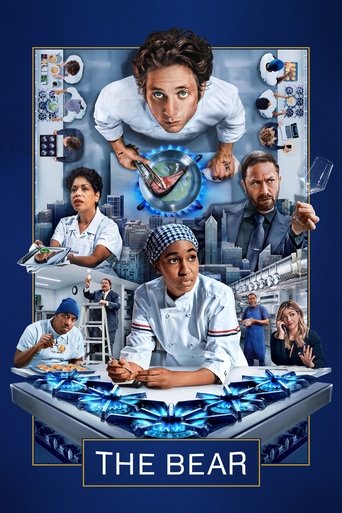
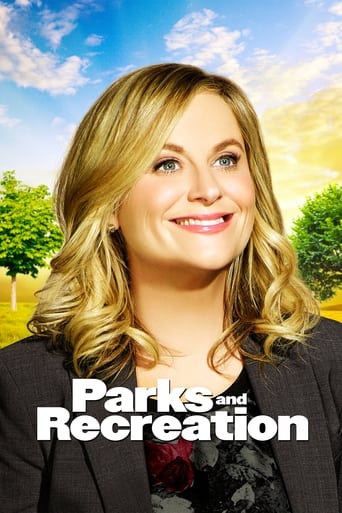
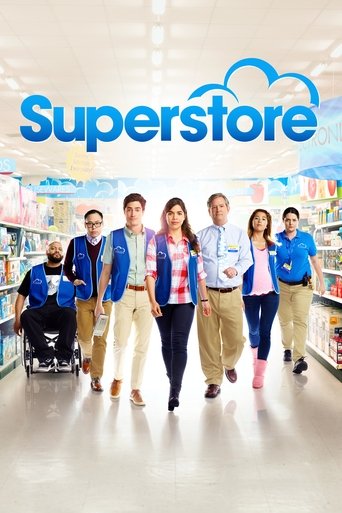
Greg Daniels and Michael Schur made the other comedies of the American workplace: Parks and Recreation, of 2009, with Amy Poehler as a public servant of a small town of Indiana, and Brooklyn Nine-Nine, of 2013, with Andy Samberg as a detective of a precinct of New York, rated 8.2. 30 Rock, of 2006, written by and starring Tina Fey as the head writer of a sketch show; Superstore, of 2015, the employees of a big store of St. Louis; Silicon Valley, of 2014, by Mike Judge, a programmer who founds a start-up, rated 8.1, and Ted Lasso, of 2020, with Jason Sudeikis as an American football coach hired to manage a club of English football, rated 8.4, complete the comedies. The dramas of work close it: Mad Men, of 2007, by Matthew Weiner, the advertising men of Madison Avenue in the 1960s, with Jon Hamm as Don Draper; Suits, of 2011, a brilliant dropout who works at a great law firm of Manhattan with a fake law degree; Severance, of 2022, by Dan Erickson, in which the employees of a company split their memories between work and home, rated 8.4, and The Bear, of 2022, by Christopher Storer, with Jeremy Allen White as a young chef who takes over the sandwich shop of his late brother in Chicago, rated 8.2. The guide The workplace series follows the shelf.
Parents and families
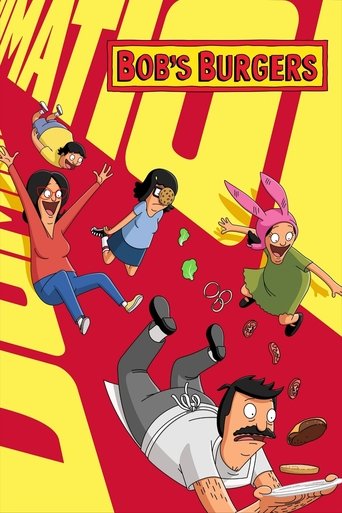
The shelf Parents and families holds thirteen series from 1987 to 2017 about the years of raising children, and it holds more episodes than any other shelf of the guide, 2,978 in all. Most of that comes from its most voted series, The Simpsons, of 1989, by Matt Groening, the yellow family of Springfield, with Dan Castellaneta as the voice of Homer and Julie Kavner as Marge, still returning after 38 seasons and 808 episodes, rated 8.0 with about 11,100 votes, the series with the most episodes in the guide. Its animated heir Bob's Burgers, of 2011, by Loren Bouchard, a family that runs a small burger restaurant, also still returns, after sixteen seasons and 313 episodes. The best rated of the shelf is the drama This Is Us, of 2016, by Dan Fogelman, the story of the Pearson family told across several decades at once, rated 8.2.
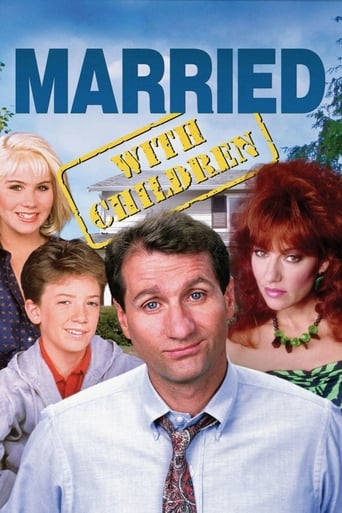
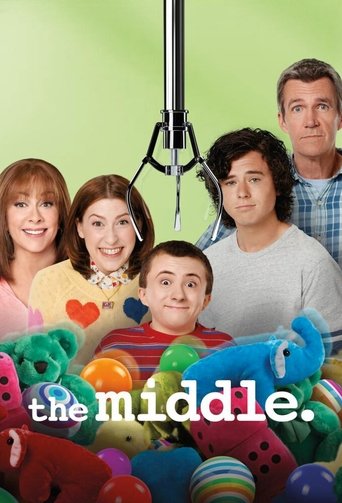
Ed O'Neill is the father of two families of the shelf: Al Bundy, the shoe salesman of Married... with Children, of 1987, the oldest series of the shelf, and Jay Pritchett, the head of the three households of Modern Family, of 2009, by Steven Levitan and Christopher Lloyd, the second most voted of the shelf, rated 7.9 over eleven seasons. Patricia Heaton is the mother of two more: Debra Barone in Everybody Loves Raymond, of 1996, with Ray Romano, and Frankie Heck in The Middle, of 2009, a working family of Indiana. The family sitcoms of the 1980s and 1990s complete the American side: Roseanne, of 1988, a working family of Illinois with Roseanne Barr and John Goodman; Home Improvement, of 1991, with Tim Allen as the host of a television show of tools, and black-ish, of 2014, by Kenya Barris, with Anthony Anderson as a father who worries about the identity of his children. Parenthood, of 2010, by Jason Katims, follows the four adult children of the Braverman family, with Peter Krause and Lauren Graham; the British Catastrophe, of 2015, written by and starring Sharon Horgan and Rob Delaney, begins with an unplanned pregnancy, and the Canadian Workin' Moms, of 2017, by Catherine Reitman, follows four mothers of Toronto back at work. The guide Parents on TV follows the shelf.
Midlife
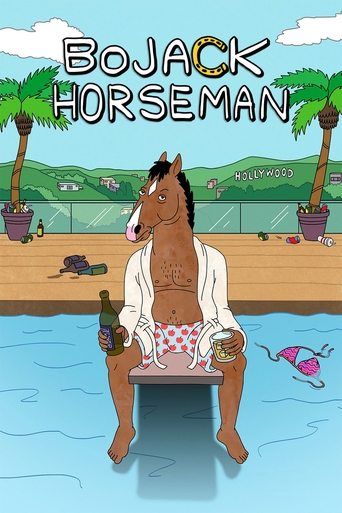
The shelf Midlife holds thirteen series from 1999 to 2022 about the crises of the middle years, and it holds the best rated series of the whole guide: Breaking Bad, of 2008, by Vince Gilligan, with Bryan Cranston as a chemistry teacher of Albuquerque who turns to making drugs after a diagnosis of cancer, five seasons and 62 episodes, rated 9.0 with about 18,900 votes, the second most voted of the guide after Stranger Things. The Sopranos, of 1999, by David Chase, the oldest series of the shelf, with James Gandolfini as a mob boss of New Jersey who sees a psychiatrist about his panic attacks, is rated 8.7, and the animated BoJack Horseman, of 2014, by Raphael Bob-Waksberg, a horse who was the star of a sitcom of the 1990s, rated 8.5, completes the three best rated series of the shelf. Aaron Paul links two of them, as Jesse Pinkman in Breaking Bad and as the voice of Todd in BoJack Horseman.
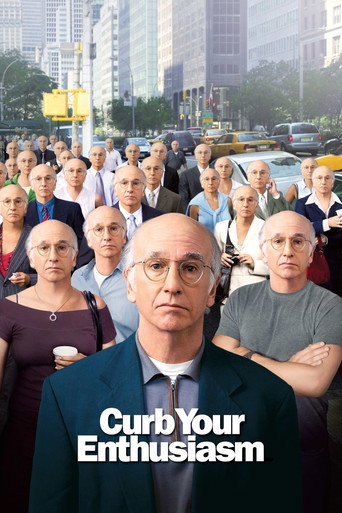
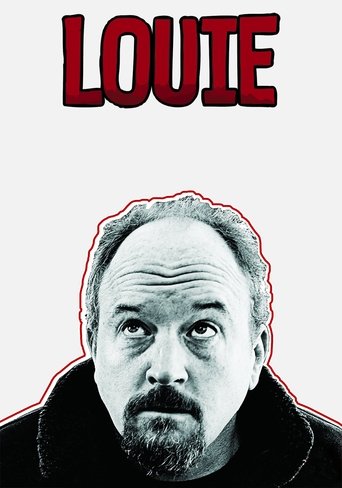
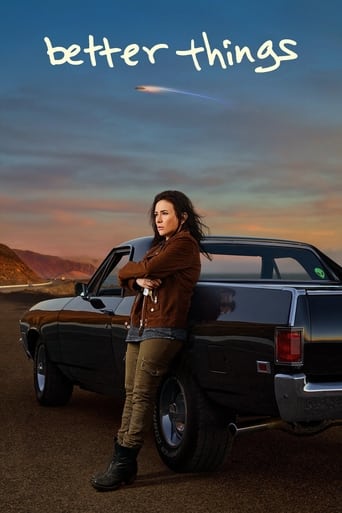
Showtime is the network of four series of the shelf: Californication, of 2007, with David Duchovny as a novelist adrift in Los Angeles; Billions, of 2016, with Paul Giamatti as a prosecutor against a hedge fund king; Weeds, of 2005, by Jenji Kohan, with Mary-Louise Parker as a widow of the suburbs who sells marijuana, and Nurse Jackie, of 2009, with Edie Falco, who also plays Carmela Soprano, as a nurse of New York with a secret addiction. Larry David plays himself in Curb Your Enthusiasm, of 2000, twelve seasons of the small social disasters of a rich man of Los Angeles, rated 8.1; Pamela Adlon appears in Louie, of 2010, and created and stars in Better Things, of 2016, as an actress who raises three daughters alone. Hacks, of 2021, sets Jean Smart as a veteran comedian of Las Vegas against a young writer; Tokyo Vice, of 2022, sends Ansel Elgort as an American reporter into the underworld of Tokyo, and the British Doctor Foster, of 2015, by Mike Bartlett, with Suranne Jones as a doctor who suspects her husband of an affair. The guide The midlife crisis follows the shelf.
Later life and beyond
The third family, Later life and beyond, holds the last stages: old age, the family sagas that run across the generations, death and what may come after it, and the real lives of the documentaries. Its 52 series carry about 54,900 votes, with an average rating of 7.66, and it holds both the oldest and the newest series of the guide, Last of the Summer Wine, of 1973, and A Man on the Inside, of 2024. The guide Later life sums up the family.
Old age
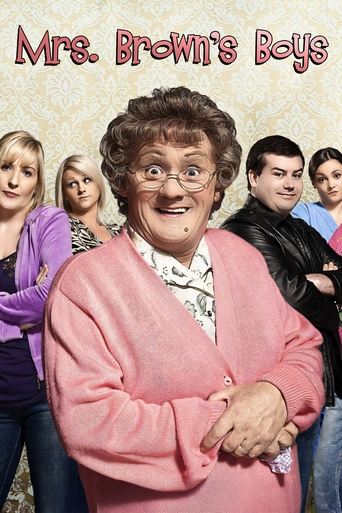
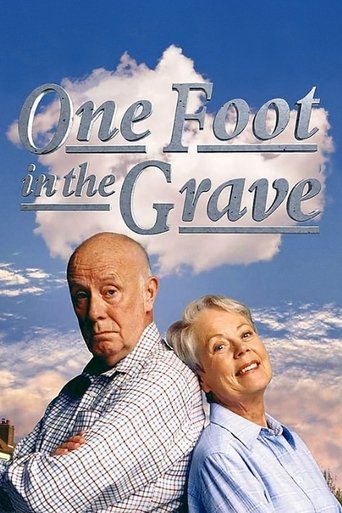
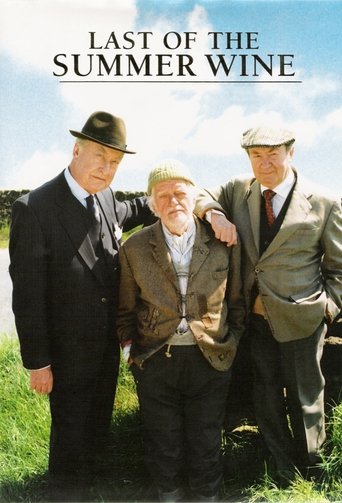
The shelf Old age holds thirteen series from 1973 to 2024 about the years after work, and five of them come from BBC One. The oldest series of the guide is here: Last of the Summer Wine, of 1973, by Roy Clarke, three retired men of a small town of Yorkshire who wander the hills like boys, 31 seasons and 269 episodes over 37 years, the longest run of any comedy of British television. The British side continues with One Foot in the Grave, of 1990, by David Renwick, with Richard Wilson as Victor Meldrew, a man forced into early retirement; Waiting for God, of 1990, the residents of a retirement home of Bournemouth; Last Tango in Halifax, of 2012, by Sally Wainwright, with Anne Reid and Derek Jacobi as two widowed sweethearts who meet again after sixty years, and the Irish Mrs Brown's Boys, of 2011, with Brendan O'Carroll as a widowed mother of Dublin.
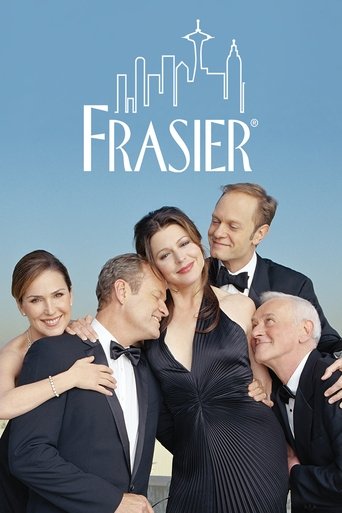
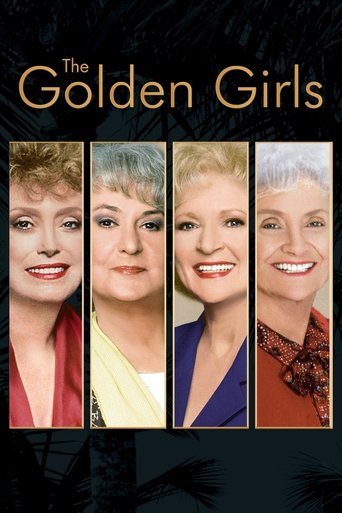
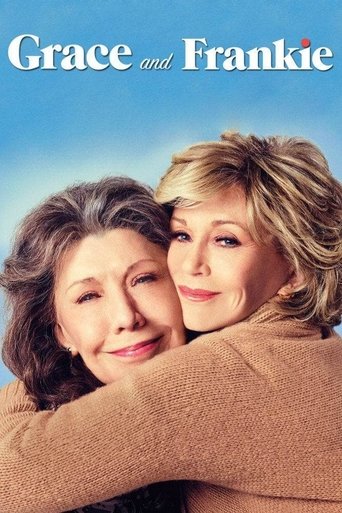
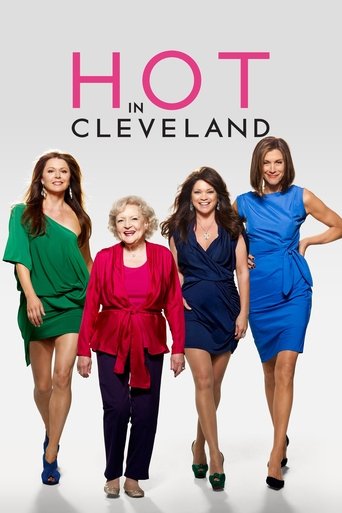
The most voted and the best rated of the shelf is Only Murders in the Building, of 2021, by Steve Martin and John Hoffman, with Steve Martin, Martin Short and Selena Gomez as three neighbours of an apartment building of New York who make a podcast about a murder, rated 8.4. The Golden Girls, of 1985, by Susan Harris, with Bea Arthur and Betty White, four older women who share a house in Miami, is the classic of the American side, and Grace and Frankie, of 2015, by Marta Kauffman, the co-creator of Friends, with Jane Fonda and Lily Tomlin as two women whose husbands leave them for each other, its heir. Chuck Lorre made The Kominsky Method, of 2018, with Michael Douglas as an aging acting coach; Michael Schur made A Man on the Inside, of 2024, with Ted Danson as a retired professor who goes undercover in a retirement home; Frasier, of 1993, follows the psychiatrist of Cheers home to Seattle and to his retired father; Hot in Cleveland, of 2010, sends three women of Los Angeles to a new life in Ohio with Betty White, and Getting On, of 2013, follows the nurses of a ward of elderly women. The guide Growing old on TV follows the shelf.
Family sagas
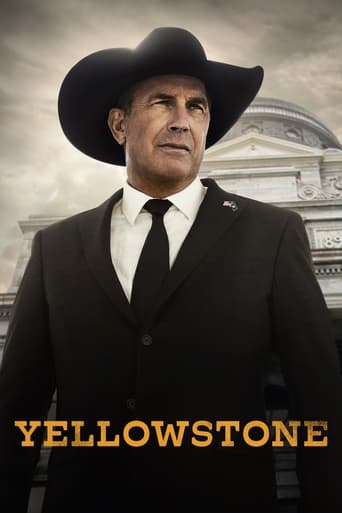
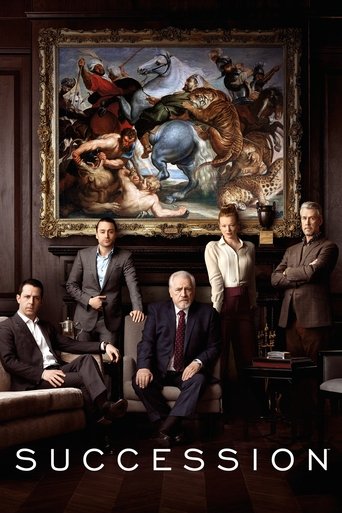
The shelf Family sagas holds thirteen series from 1978 to 2022 that follow a family across the years, the money and the power. Its most voted series is Peaky Blinders, of 2013, by Steven Knight, with Cillian Murphy as Thomas Shelby, the head of a family of gangsters of Birmingham after the First World War, six seasons and 36 episodes, rated 8.5 with about 11,500 votes, the best rated of the shelf. Yellowstone, of 2018, by Taylor Sheridan, with Kevin Costner as the owner of the largest ranch of Montana, and Succession, of 2018, by Jesse Armstrong, the four children of a media tycoon who fight for his company, follow at 8.3, and Shameless, of 2011, the American version of a British series, with William H. Macy as the drunken father of six children of Chicago, at 8.2. Jeremy Allen White, the chef of The Bear, plays the eldest son, Lip.
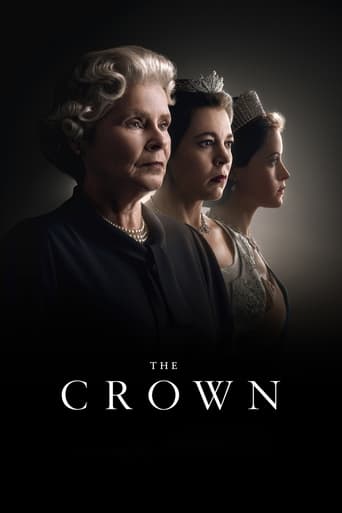
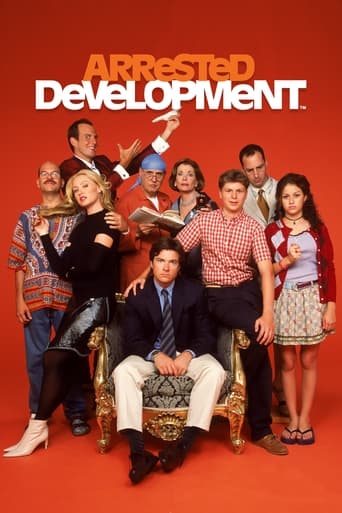
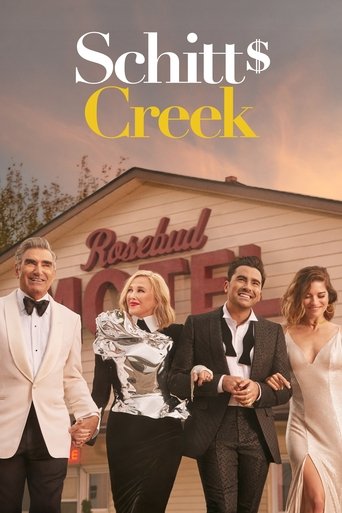
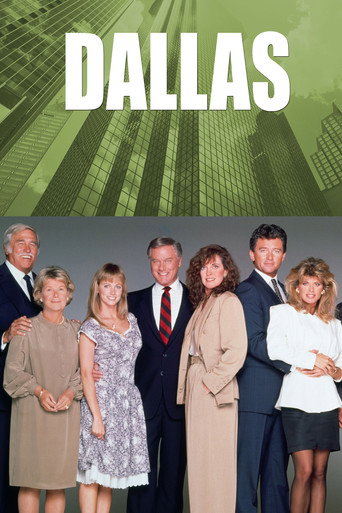
Two sagas follow the British upper class: The Crown, of 2016, by Peter Morgan, the reign of Queen Elizabeth II over six seasons and three casts, and Downton Abbey, of 2010, by Julian Fellowes, a family of aristocrats and their servants from 1912 to 1926, with Maggie Smith. The comedies of the shelf turn the saga upside down: Arrested Development, of 2003, by Mitchell Hurwitz, a rich family who lose their fortune, with Jason Bateman, and the Canadian Schitt's Creek, of 2015, by Eugene Levy and Dan Levy, a rich family who lose everything and move to a small town they once bought as a joke. Six Feet Under, of 2001, by Alan Ball, the family of a funeral home of Los Angeles, with Peter Krause and Michael C. Hall; Bloodline, of 2015, a family of the Florida Keys and the return of its eldest son; Pachinko, of 2022, by Soo Hugh, four generations of a Korean family in Japan; Brothers and Sisters, of 2006, with Sally Field, and Dallas, of 1978, the oil family of the Ewings of Texas and the oldest saga of the shelf, over 357 episodes, complete it. The guide The family saga follows the shelf.
Death and the afterlife
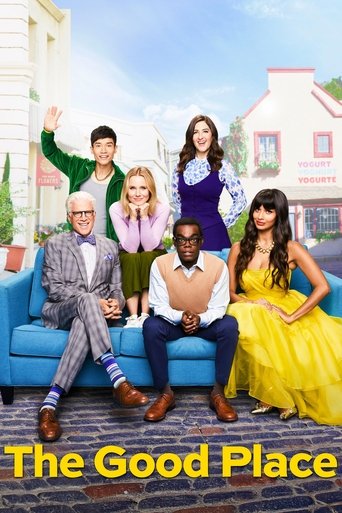
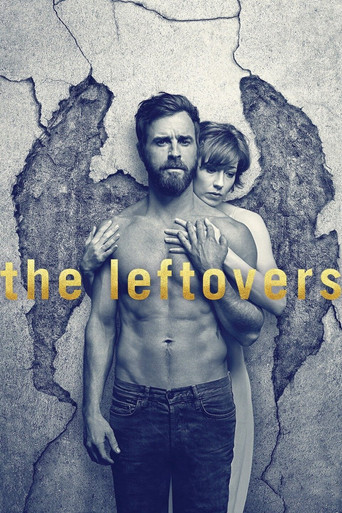
The shelf Death and the afterlife holds thirteen series from 2003 to 2021 about grief, the dead who return and the places where souls may go. Its most voted series is Lost, of 2004, by J.J. Abrams and Damon Lindelof, the survivors of a plane crash on a strange island of the Pacific, six seasons and 118 episodes, rated 8.0 with about 5,400 votes. Lindelof also made The Leftovers, of 2014, with Tom Perrotta, the town of Mapleton three years after two per cent of the people of the world vanished in an instant, with Justin Theroux and Carrie Coon. The Good Place, of 2016, by Michael Schur, with Kristen Bell as a woman who wakes up in a heaven she has done little to earn and Ted Danson as its architect, is rated 8.0, and Upload, of 2020, by Greg Daniels, the partner of Schur on The Office and Parks and Recreation, imagines a digital afterlife sold to the rich.
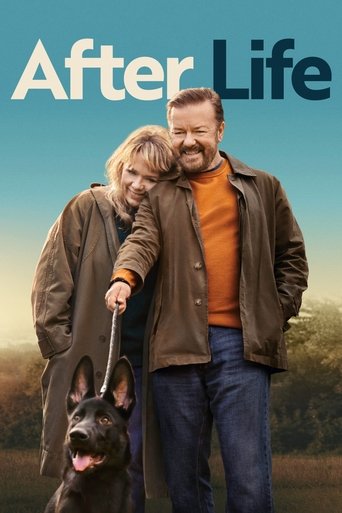
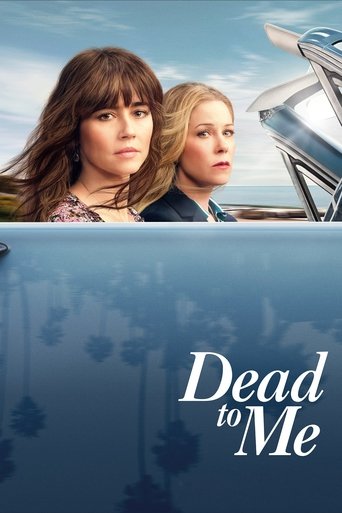
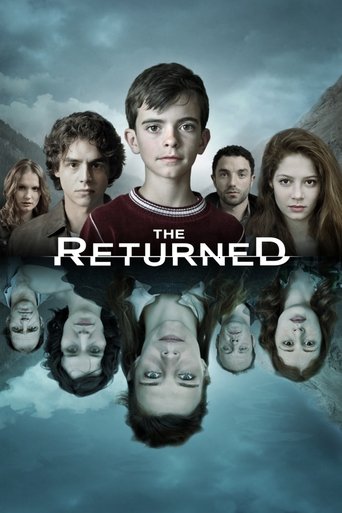
Ghosts appears twice: the British original of 2019, by the actors of Horrible Histories, a young couple who inherit a country house full of the spirits of every age, rated 7.9, and its American version of 2021, rated 8.1, the best rated of the shelf and still returning. Bryan Fuller made two series of the shelf: Dead Like Me, of 2003, the oldest of the shelf, a young woman of Seattle who becomes a grim reaper after her death, and Pushing Daisies, of 2007, a pie maker who can bring the dead back to life with a touch. Grief is the subject of After Life, of 2019, written by and starring Ricky Gervais as a widower of a small English town, and of Dead to Me, of 2019, with Christina Applegate and Linda Cardellini as two widows who meet in a support group. Russian Doll, of 2019, by Natasha Lyonne, Leslye Headland and Amy Poehler, traps a woman in a loop of deaths on the night of her birthday in New York; the French The Returned, of 2012, brings the dead of a mountain town back to their families years after their deaths, unchanged, and the British Being Human, of 2009, sets a ghost, a vampire and a werewolf to share a house. The guide The afterlife on TV follows the shelf.
Real lives
The shelf Real lives holds thirteen documentary and reality series from 2006 to 2020, the life of the real world from birth to the last match, and nine of them come from Netflix. Its most voted series is The Last Dance, of 2020, by Michael Tollin, the last season of Michael Jordan and the Chicago Bulls in 1998, ten episodes rated 8.3, and its best rated is Planet Earth, of 2006, the eleven episodes of the BBC narrated by David Attenborough, rated 8.6, the first natural history series of the BBC filmed entirely in high definition. Attenborough returns in Our Planet, of 2019, rated 8.5. Babies, of 2020, follows the first year of life of several children with the scientists who study them, and Love on the Spectrum, of 2019, young adults on the autism spectrum looking for love in Australia.
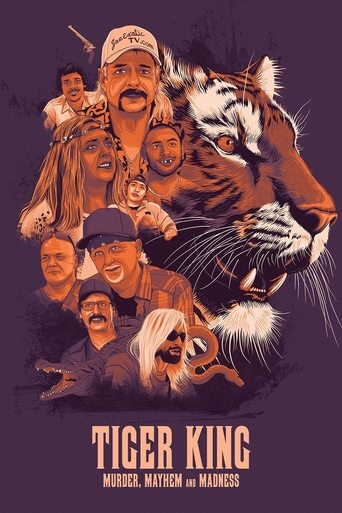
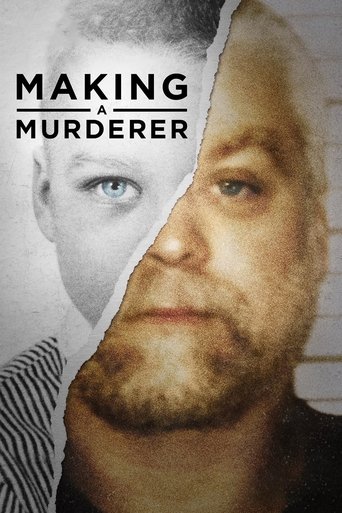
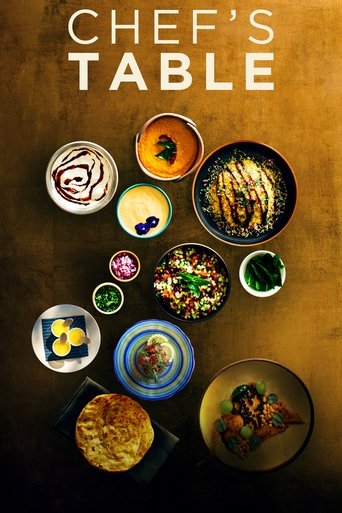
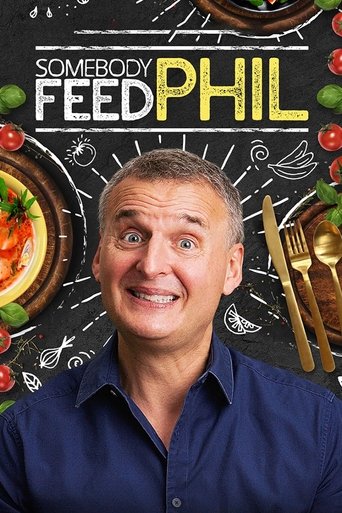
Crime and fame hold two of the most voted: Making a Murderer, of 2015, by Moira Demos and Laura Ricciardi, the case of Steven Avery of Wisconsin, and Tiger King, of 2020, the private zoos of big cats of Oklahoma. Food holds three: Chef's Table, of 2015, by David Gelb, the great chefs of the world one per episode; Anthony Bourdain: Parts Unknown, of 2013, twelve seasons of travel and food on CNN, and Somebody Feed Phil, of 2018, Phil Rosenthal, the creator of Everybody Loves Raymond, eating his way around the world. The last three follow lives of effort and change: Cheer, of 2020, and Last Chance U, of 2016, both by Greg Whiteley, a cheerleading team of Texas and the American football players of a junior college of Mississippi, and Queer Eye, of 2018, five experts who make over the life of a guest each episode. The guide Real lives follows the shelf.
The faces of a lifetime
A few actors appear at more than one stage of life in the guide. Linda Cardellini is a teenager of the 1980s in Freaks and Geeks, a daughter of the Rayburn family in Bloodline and a widow in Dead to Me; Pamela Adlon is in Louie, Better Things and, as the voice of Bobby Hill, in other shows of animation outside the guide. Peter Krause is the second son of a family of undertakers in Six Feet Under and the eldest Braverman in Parenthood; Patricia Heaton is a mother in two series, Everybody Loves Raymond and The Middle; Ed O'Neill a father in Married... with Children and Modern Family; Ted Danson the architect of The Good Place and the retired professor of A Man on the Inside, and Ricky Gervais the boss of The Office of 2001 and the widower of After Life. Jeremy Allen White moves from the son of Shameless to the chef of The Bear, and Aaron Paul from the partner of Breaking Bad to the voice of Todd in BoJack Horseman. The guide The stars lists them all.
The makers of a lifetime
Michael Schur is the creator who covers the most stages, with four series in the guide: Parks and Recreation and Brooklyn Nine-Nine at work, The Good Place in the afterlife and A Man on the Inside in old age. Two creators have two series each on the same subject: Bryan Fuller, with Dead Like Me and Pushing Daisies, and Damon Lindelof, with Lost and The Leftovers. Josh Schwartz moves from the beach of Newport in The O.C. to the Upper East Side in Gossip Girl; Darren Star from Beverly Hills, 90210 to Emily in Paris; Chuck Lorre from Young Sheldon to The Kominsky Method, and Roberto Aguirre-Sacasa from Riverdale to Chilling Adventures of Sabrina, both drawn from the comics of Archie. Marta Kauffman links Friends to Grace and Frankie, and Greg Daniels links The Office to Upload. The guide The creators follows them.
TV-Life in figures
The 156 series of the guide carry about 310,600 votes on TMDB, with an average rating of 7.74, and 61 of them reach 8 or more; the collection Rated 8 or more gathers them, best first, from Breaking Bad at 9.0 to Anne with an E and The Sopranos at 8.7. Together they hold 911 seasons and about 14,100 episodes, a life of television in itself. The most voted are Stranger Things, with about 22,000 votes, Breaking Bad, Riverdale, Peaky Blinders, Euphoria and Grey's Anatomy. The Simpsons holds the most seasons and the most episodes, 38 and 808; Last of the Summer Wine follows in seasons with 31, and Grey's Anatomy in episodes with 460, ahead of the Canadian Degrassi, with 373. Of the 156 series, 128 have ended, fourteen were cancelled and fourteen still return each year, gathered in the collection Still returning.
By decade of first broadcast, the guide holds three series of the 1970s, eight of the 1980s, thirteen of the 1990s, 37 of the 2000s, 73 of the 2010s and 22 of the 2020s; the collection Before 1995 gathers the eighteen oldest, from Last of the Summer Wine to Friends. Comedy is the first genre of 72 series and drama of 47, with twelve documentaries. Netflix is the first network of 33 series, ahead of NBC with sixteen, ABC with fourteen, FOX and HBO with ten each and BBC One with nine. The guide The figures gathers every number.
Where to begin
For a first life in series, take one from each stage: The Wonder Years for childhood, Heartstopper for school, Normal People for the first love abroad, Friends for the twenties, Ted Lasso for work, This Is Us for the family, Breaking Bad for the middle years, Only Murders in the Building for old age, Succession for the saga, The Good Place for the afterlife and Planet Earth for the real world. Families with young children can start with Bluey and Anne with an E, and anyone who likes a long run can follow The Simpsons from 1989 to today. The guide Start with TV-Life gives a first route.
How to use TV-Life
The home page opens with an introduction on a white card and the board The stages of life, three timelines, one per family, with each stage a dot on its line: mustard for growing up, coral for grown-ups and sea green for later life and beyond. Each dot shows the stage and its number of series, and leads to its shelf. Each shelf sits on a white panel with a coloured top, with twelve posters and the button All the series, which opens the full shelf. The menu in the header leads to the three families, and the search box finds any series by its title; the guide Search tips explains how.
Each poster shows the year of first broadcast on a mustard tag, the TMDB rating on a teal tag and, on a dark band at the bottom, the tag of its stage, for example Childhood or Saga. The series page has the English synopsis, the creators, the cast, the network, the seasons and the list of episodes. The Watch now button opens the series on JustWatch, which shows the services that offer it in your country, and the button Add to My List keeps it in My list, stored in your browser. The guide How to use TV-Life explains each part, and the guide The Watch now button explains how JustWatch works.
Questions
What is TV-Life
An English guide to 156 television series, on twelve shelves for the stages of life, in three families.
How were the series chosen
By hand from TMDB, by the stage of life of their heroes, from childhood to old age and the afterlife.
Can a series sit on two shelves
Each series sits on a single shelf, the stage that matters most to its story.
Which series has the most votes
Stranger Things, of 2016, with about 22,000 votes.
Which series is the best rated
Breaking Bad, of 2008, with a 9.0.
Which is the oldest series
Last of the Summer Wine, first shown in 1973.
Which series has the most episodes
The Simpsons, with 808 episodes over 38 seasons.
Which creator appears most often
Michael Schur, with four series.
Where can I watch the series
The Watch now button opens each series on JustWatch, which shows the services that offer it in your country.
Where is My list kept
In your browser, on the device where you create it.
